
Car Loans Australia :: News
SHARE

Share this news item!

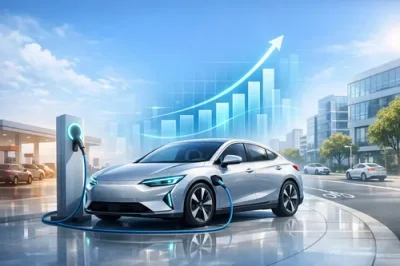
Surge in Electric Vehicle Loans as Australians Respond to Fuel Price Hikes

CommBank Reports Significant Increase in EV Financing Amid Energy Concerns

Surge in Electric Vehicle Loans as Australians Respond to Fuel Price Hikes?w=400

The information on this website is general in nature and does not take into account your objectives, financial situation, or needs. Consider seeking personal advice from a licensed adviser before acting on any information.

In March 2026, Australia witnessed a substantial increase in electric vehicle (EV) loan applications, with CommBank reporting a 161% rise compared to February.
This surge is largely attributed to escalating fuel prices and growing concerns over energy security, prompting consumers to seek more sustainable and cost-effective transportation options.

The conflict involving Iran has led to disruptions in the Strait of Hormuz, a critical passage for global oil shipments. This has resulted in higher global oil prices and supply concerns, directly impacting Australian fuel costs. In response, many Australians are turning to EVs to mitigate the financial strain caused by these fuel price hikes.

CommBank's data indicates that the interest in EVs is not limited to individual consumers. Business loan applications for Tesla vehicles have increased by 268% in March compared to the same period last year. This trend suggests that both private and commercial sectors are actively seeking alternatives to traditional fuel-powered vehicles.

Further supporting this shift, the Electric Vehicle Council reported that EVs accounted for 13.1% of all new car and light commercial vehicle sales in Australia across 2025, up from 9.6% in 2024. December 2025 set a record, with EVs making up 16.7% of new car sales for the month.

Additionally, the recent conclusion of free trade agreement negotiations between Australia and the European Union is expected to improve the affordability of some European-made electric vehicles. The agreement includes the removal of Australia's 5% tariff on European imports and an increase in the luxury car tax threshold for EVs to $120,000.

As fuel prices continue to fluctuate and environmental concerns grow, the trend towards electric vehicle adoption in Australia is expected to persist. Consumers are increasingly recognizing the long-term benefits of EV ownership, including lower operating costs and reduced environmental impact.

Published:Tuesday, 12th May 2026
Author: Paige Estritori

Please Note: We do not endorse any specific products or companies. Some content is sourced from third parties, including press releases, and may not be independently verified for accuracy or completeness.

Share this news item:

Rate this article

0 Comments

No comments yet. Be the first to share your thoughts.

Finance News

What the Latest RBA Rate Hold Means for Car Buyers
13 Aug 2026: Paige Estritori
The Reserve Bank of Australia's latest decision to leave the cash rate unchanged keeps car buyers in a familiar holding pattern: borrowing costs are not rising sharply, but they are not easing quickly either. For households planning a new or used vehicle purchase, that means the focus should remain on preparation, comparison and affordability rather than waiting for a dramatic rate shift. - read more
What ASIC’s Car Loan Review Means for Australian Buyers
23 Jul 2026: Paige Estritori
Australia’s car finance market is sending buyers two important messages at once. Recent July rate snapshots show some secured car loans advertised from around the mid-five per cent range for strong-credit borrowers, suggesting competition is still alive for well-prepared applicants. At the same time, ASIC’s 24 June 2026 review of motor vehicle finance has put the spotlight on fees, third-party sales channels and borrower outcomes. - read more
What July's Cheapest Car Loan Rates Mean for Australian Buyers
16 Jul 2026: Paige Estritori
Australian car buyers have a fresh benchmark for what a competitive loan may look like, with Canstar's July 2026 car loan snapshot showing some secured new and near-new car loans advertised from the high five per cent range. For households already juggling fuel, insurance, registration and cost-of-living pressures, that headline number may look appealing. - read more
Luxury Car Tax Thresholds Rise for 2026-27: What It Means for Your Next Car Loan
02 Jul 2026: Paige Estritori
Australian buyers shopping for a higher-priced new car have a fresh number to factor into their budget from 1 July 2026, with the Luxury Car Tax thresholds indexed for the 2026-27 financial year. - read more
What the 2026 Car Loan Awards Mean for Australian Buyers
25 Jun 2026: Paige Estritori
The latest 2026 personal and car loan awards from Mozo point to a clear message for Australian motorists: the lowest-cost car finance may not come from the lender you already bank with. The awards assessed hundreds of personal and vehicle loan products across dozens of lenders, with categories covering new car loans, used car loans, secured personal loans, excellent-credit borrowers and green car finance. - read more


Car Loans Articles

Navigating Car Finance: How to Choose a Loan That Works for You
Buying a car is a significant financial decision, and for many, it means exploring the world of car finance. In Australia, the options are plentiful, and understanding them is key to making an informed choice. Car finance can seem daunting, with various loan types, interest rates, and repayment plans to consider. But fear not – a clear understanding of these options can steer you towards a deal that complements your financial circumstances. - read more
The Complete Checklist for Choosing a Car Loan Provider in Australia
Finding the right car loan in Australia can be just as critical as selecting the car itself. Car finance, though a common undertaking, involves nuanced decisions that can have a significant impact on your financial future. - read more
The Pros and Cons of Car Loans for Used Vehicles in Australia
With the rising cost of living, many Australians are opting for used vehicles as a cost-effective alternative to brand-new cars. Buying a used car can offer significant savings, reducing the initial financial burden while still providing reliable transportation. - read more
From Fuel to Finance: A Comprehensive Breakdown of Car Costs
When it comes to owning a car in Australia, many of us view it as a symbol of freedom, an essential convenience, or even a reflection of our personal style. Yet, for all the road trips planned and errands run, the cost of owning a car extends well beyond the sticker price. - read more
How Credit History Affects Car Loan Approval in Australia
Your credit history can influence whether a lender considers your car loan application, the rate you are offered and the conditions attached to the loan. This guide explains what Australian lenders may look for, how impaired or limited credit history can affect an application, and how to prepare before applying. - read more


Need Help Finding a Loan?
Get a free car loan eligibility assessment and compare offers tailored specifically to your circumstances.

Let's help find your car loan!

Loan Amount:

Postcode:

All quotes are provided obligation-free by a participating broker from our national referral partner network. We respect your Privacy.

All finance quotes are provided free (via our secure server) and without obligation.
We respect your privacy.

Knowledgebase
Debt-to-Equity Ratio:
A measure of a company’s financial leverage, calculated by dividing its total liabilities by stockholders’ equity.